Our Categories
Looking for KPV peptide?
KPV Peptide:
OUR PRODUCTS
KPV PEPTIDE BENEFITS
Buy KPV Peptides – Pure, Powerful Anti-Inflammatory Support
Ready to buy?
Choose verified sellers to ensure quality KPV peptide that meets your research or wellness needs safely and effectively.
KPV Peptide: What You Need to Know and Where to Find Quality Worldwide
Frequently Asked Questions About KPV Peptide
What is KPV peptide?
KPV peptide is a short chain made from three amino acids: lysine, proline, and valine. You’ll see it pop up a lot in research because it has anti-inflammatory, antimicrobial, and immune-modulating effects. Scientists actually derived it from alpha-melanocyte-stimulating hormone (α-MSH), and most of the time, people study it in labs.
What do researchers use KPV peptide for?
Researchers look at KPV peptide for a bunch of things:
– Studying how the body controls inflammation
– Researching the gut and how the intestinal barrier works
– Exploring immune system signaling
– Checking out its antimicrobial activity
Because KPV is stable and active, it’s a go-to for advanced research on peptides.
Is KPV peptide safe?
KPV peptide isn’t for people or medical treatments—it’s strictly for research. If you get it from a reliable supplier who tests and verifies its purity, it works well in a controlled lab setting.
Where can I buy KPV peptides?
If you want to buy KPV peptides, stick with suppliers who specialize in research-grade products. The good ones will give you high-purity KPV, clear product details, and full testing documents so you know exactly what you’re getting.
How do I buy KPV peptide online?
When you’re shopping online, look for suppliers who offer:
– At least 99% purity
– Independent lab testing
– Secure payment options and quick shipping
– Obvious research-use disclaimers
Most reputable vendors ship internationally, so you can order KPV peptide in the USA, UK, Canada, Australia, and beyond.
How is KPV peptide different from collagen peptides?
KPV peptide is all about bioactivity at the cellular level, especially when it comes to immune response and inflammation. Collagen peptides, on the other hand, are structural proteins you usually see in supplements for skin, hair, or joint health. Both are peptides, but they do totally different jobs.
What does “lab-grade peptide” mean?
Lab-grade peptides are made just for research. They have to hit strict standards: high purity, accurate amino acid sequences, and batch testing. These aren’t supplements—they’re for experiments, plain and simple.
Why does purity matter when buying KPV peptide?
Purity makes a huge difference. Impurities mess up your research and throw off results. When you buy KPV peptide, you want a supplier who takes purity and testing seriously. That way, your experiments stay consistent and your data stays solid.
KPV Peptide: The Science, Benefits, and Where to Find Quality Peptides
KPV peptide is turning heads in peptide science right now. People everywhere—scientists, wellness enthusiasts, fitness pros, and biotech researchers—are digging into what makes this little tripeptide so interesting. Why? KPV is right in the spotlight for studies on inflammation, the immune system, and gut health. In places like the USA, UK, Canada, and Australia, researchers keep hunting for top-quality, pure KPV from suppliers they trust.
What Exactly Is KPV Peptide?
KPV is a simple tripeptide—just three amino acids: Lysine, Proline, and Valine, all connected in a specific order. It actually comes from something called alpha-melanocyte-stimulating hormone (α-MSH). Scientists are really interested in KPV because it’s got strong anti-inflammatory and antimicrobial effects. Plus, its small size makes it stable and easy for the body to use in targeted ways, which is why it’s such a big deal in lab research.
Don’t confuse it with protein powders or supplements. KPV isn’t for nutrition—it’s strictly a research peptide for studying how the body works.
How Peptides Work in Your Body
Peptides are basically short chains of amino acids, and they’re like little messengers. They find specific receptors and tell your body what to do—things like repairing tissues, regulating your immune system, or turning on (or off) certain cellular processes. That’s what sets them apart from bigger proteins like collagen.
You’ve probably seen collagen peptides in products for skin and joints. Those help with structure. But research peptides like KPV are all about influencing how cells talk to each other. That’s why scientists value them so much.
What Are the Benefits of KPV Peptide?
Researchers are drawn to KPV for a bunch of reasons:
– Modulating inflammation
– Supporting gut and intestinal barrier health
– Tuning the immune system
– Fighting microbes
– Helping cells repair themselves
Because of this, KPV is a key player in studies on inflammation and immune health.
Peptides in Fitness and Performance
Peptides aren’t just for immune or gut research. The fitness world is on board, too. Some peptides are famous for muscle growth, recovery, and metabolism. KPV isn’t a muscle-builder, but it gets studied alongside those peptides to see how it might help with inflammation and recovery after workouts.
Names like Peptide Sciences and Peptide Crafters have pushed peptides into the mainstream. They focus on purity and transparency, which matters for research.
Different Peptides, Different Uses
– Structural peptides (like collagen) show up in supplements for joint and tissue health.
– Signaling peptides (like KPV) help control how cells and the immune system communicate.
– Growth and recovery peptides focus on muscle repair and regeneration.
– Cosmetic peptides are everywhere in skincare—think trendy products like peptide lip tints.
The Ups and Downs of Peptide Research
On the plus side, peptides are targeted, act fast, and can be tailored for specific research goals. But there are downsides. Research peptides aren’t approved for human use. Purity can vary wildly between suppliers. If you don’t store them right, they lose effectiveness. And low-quality peptides can ruin your research.
That’s why finding a reliable peptide supplier isn’t just important—it’s essential.
How Researchers Use KPV Peptide
KPV is for research only. Scientists use strict protocols, measure carefully, and store peptides properly to keep them stable. Always check the details—purity, lab tests, disclaimers—before you buy.
Where to Buy KPV Peptide
If you’re in the USA, UK, Canada, or Australia and want to buy KPV peptide online, don’t cut corners. Pick a supplier that offers:
– Peptides at 99% purity or higher
– Third-party lab testing
– Clear, honest product info
– Safe checkout and quick shipping
– Transparent research-use disclaimers
Whether you’re an independent researcher or part of a big lab, using high-quality, research-grade peptides pays off with better, more reliable results.
Where You’ll Find Peptides: Research, Wellness, Industry, and Beyond
Peptides turn up just about everywhere these days. Scientists love them for their precision and versatility, and, honestly, they’re at the heart of a lot of cutting-edge work—from lab experiments to the latest skincare trends. If you’re wondering why everyone’s talking about compounds like KPV peptide, it really comes down to how useful and adaptable these tiny proteins are.
First off, research labs rely on peptides like KPV for some serious scientific heavy lifting. Researchers use them to dig into how cells communicate, how the immune system kicks in, what sparks inflammation, and even how our bodies deal with microbes. Because peptides work directly at the cellular level, they help scientists zero in on tiny details with impressive accuracy.
KPV, for example, pops up in all kinds of studies:
– Tracking inflammation and immune responses
– Investigating gut and intestinal barrier health
– Studying how to fight off microbes
– Analyzing how cells repair themselves and communicate
Thanks to all this, KPV is a staple in research labs and universities everywhere.
In pharmaceuticals and biomedical research, peptides are a big deal, too. Scientists are always searching for better therapies and smarter drug delivery, and peptides often outperform traditional small-molecule drugs when it comes to targeting specific biological systems without causing extra trouble. You’ll find signaling peptides, immune-related peptides, and inflammation fighters making waves in the quest for new treatments.
Gut health is another hot topic. Researchers study how peptides interact with the gut lining, help balance our gut bacteria, and keep the intestinal barrier strong. KPV gets lots of attention here, especially for its anti-inflammatory effects and its knack for supporting gut stability at the cellular level. As a result, the demand for pure, reliable peptides in digestive research keeps climbing.
Muscle and athletic performance? Peptides show up there, too. They’re studied for their role in muscle repair, signaling protein synthesis, and helping bodies bounce back after stress or injury. While KPV isn’t a direct muscle-builder, it’s still part of the picture when researchers look at reducing inflammation and creating the best environment for recovery—a big deal in sports science and metabolic research.
Peptides aren’t just for scientists, either. The cosmetics and skincare world is packed with peptide-powered products. They’re everywhere in creams, serums, and even trendy lip tints, all promising smoother, firmer, more hydrated skin. Unlike some of the deeper biological uses, these peptides work on the skin’s surface, but they’re still a key selling point for brands chasing the next big beauty breakthrough.
Don’t forget about collagen peptides, either. Researchers look at these for their effects on connective tissue, joints, and skin elasticity. Products like vital proteins collagen peptides or live conscious collagen peptides are all about supporting structure and strength, showing just how broad peptide research can get.
Over in biotech, peptides are the go-to for custom synthesis, assay development, and molecular testing. Companies need high-purity peptides for everything from calibration standards to new experimental models, and the quality of the peptides can make or break the results.
Finally, universities and research centers use peptides in all sorts of educational and academic projects—molecular biology, biochemistry, immunology, physiology—you name it. Peptides like KPV are favorites because their structure is well-understood and their effects are predictable.
So, why does all this matter? Simple—knowing where and how peptides are used helps researchers and buyers pick the right ones for the job. Whether it’s for calming inflammation, supporting gut health, developing the next big cosmetic product, or pushing pharmaceutical research forward, the right peptide makes all the difference.
How Peptides Show Up in Different Industries: Medicine, Beauty, and Sports
Peptides like KPV aren’t just stuck in one field. They’re everywhere—medicine, cosmetics, sports science. And honestly, the more you dig in, the more you see just how much they can do.
Pharmaceuticals: Changing the Way We Treat Disease
In medicine, peptides are game-changers. Drug developers love them because they lock onto biological targets with laser focus. That means fewer side effects and safer drugs compared to old-school small molecules.
Here’s where peptides stand out:
Building better drugs: Researchers study peptides like KPV for their ability to dial down inflammation and fine-tune immune responses. They’re looking for new ways to treat autoimmune diseases and chronic inflammation.
Vaccines: Some vaccines use peptides to kickstart the immune system, often with fewer side effects than traditional options.
Biologic drugs: Peptides form the backbone of some hormone treatments and enzyme blockers.
Research tools: Scientists use peptides all the time in lab studies to figure out how diseases work and how new treatments might help.
And let’s be real—no one wants sketchy ingredients in their research. That’s why labs stick with high-purity peptides (think 99% purity or better) from trusted companies like Peptide Sciences or Peptide Crafters. Consistency matters.
Cosmetics: Giving Skin a Boost
The beauty world has jumped on the peptide bandwagon, and for good reason. Peptides now show up in all kinds of skin products, promising everything from smoother skin to plumper lips.
You’ll spot them in:
Anti-aging creams: Peptides encourage your skin to make more collagen, so you see fewer wrinkles and firmer skin overall. Stuff like Vital Proteins and Live Conscious collagen peptides have become crowd favorites.
Serums and moisturizers: These peptides help your skin hold onto moisture, repair itself, and keep the barrier strong.
Trendy new products: Brands like Rhode use peptides in lip tints, giving lips a healthier look and feel.
Most cosmetic brands don’t stop at peptides—they mix them with vitamins, plant extracts, and antioxidants to attract customers who want natural, effective beauty products.
Sports Science: Pushing Performance and Faster Recovery
In sports and fitness, peptides are under the microscope for their impact on muscle repair, recovery, and even metabolism.
Here’s how they’re used:
Muscle and recovery: Some peptides (not exactly KPV, but in the same family) are studied for helping muscles rebuild after tough workouts and controlling inflammation.
Faster healing: Peptides help athletes bounce back from injuries or tough training sessions by reducing inflammation and speeding up recovery.
Metabolism boosters: Certain peptides tweak how your body uses energy and burns fat, which grabs the attention of athletes and trainers.
Again, quality is non-negotiable. Research teams go for lab-grade peptides from reputable suppliers to make sure results are real and repeatable.
Why Knowing This Stuff Matters
Each industry has its own rules, standards, and expectations. Whether it’s medicine, skincare, or sports, using high-quality peptides is non-negotiable for safety and good results.
Knowing exactly where and how peptides like KPV fit in lets buyers, researchers, and even everyday consumers make smarter choices—and, in the end, pushes the science even further.
Peptides: Their Global Impact, Benefits, Challenges, and Uses in the USA, Canada, UK, Germany, and Australia
Peptides are having a real moment in science right now. They’re popping up everywhere—from hospitals to gyms, skincare shelves, and research labs. The USA, Canada, UK, Germany, and Australia are all pushing the boundaries with peptide research and use, changing the way we think about everything from health to beauty. Let’s dig into what makes peptides so game-changing, where they help, what’s tricky about them, and why they’re shaping the future.
So, What Are Peptides?
At the simplest level, peptides are short chains of amino acids—think of them as the building blocks that snap together to make proteins. But these little chains do more than just build stuff; they act like messengers in the body, running around and sparking all sorts of important processes. Because they’re small and super specific, researchers can use them to target exact spots in the body, which opens up a ton of medical and commercial possibilities.
How Peptides Make a Difference Worldwide
Healthcare and Medical Research
Peptides are changing medicine. In places like the USA, Germany, and the UK, they’re front and center in new drug development and medical research. They help manage hormones, boost immune systems, and repair tissue, which means better treatments for diabetes, cancer, and autoimmune diseases. Companies like Peptide Sciences and Peptide Crafters keep researchers stocked with the high-quality peptides they need for these breakthroughs.
Fitness and Muscle Growth
Athletes and fitness fans in Canada, Australia, and the USA love peptides for muscle growth and recovery. These compounds help the body make new proteins and bounce back faster after tough workouts. Used in research settings, they support muscle repair and performance—without some of the risks that come with other supplements.
Skincare and Cosmetics
The beauty world is obsessed with peptides, particularly in the UK and Australia, where people want smart, science-backed skincare. Peptides can ramp up collagen, smooth out wrinkles, and make skin more elastic. Popular products like vital proteins collagen peptides and live conscious collagen peptides have made peptides a staple at home. Brands are even adding them to things like Rhode peptide lip tint, promising benefits that go beyond basic makeup.
Gut Health and Immune Support
Gut health is finally getting its due, and peptides are part of that story. Researchers are exploring peptides like KPV for their anti-inflammatory and antimicrobial powers, which help protect the gut lining and support immunity. Labs in Germany and Canada are leading the way here, showing that peptides have uses far outside traditional medicine.
Biotechnology and Research
When it comes to biotech, countries like the USA and Germany rely on peptides for all kinds of lab work. From molecular biology to drug discovery and diagnostics, peptides are essential. Scientists count on lab-grade, high-purity peptides for reliable results.
Why People Love Peptides
– Precision: Peptides can target specific pathways, which means fewer side effects compared to regular drugs.
– Versatility: Whether it’s skincare, fitness, or medicine, peptides can do a lot.
– Fast-acting: Their small size lets them work quickly in the body.
– Driving Innovation: Peptides are helping researchers unlock new insights into how our bodies work.
The Flip Side—What’s Tricky About Peptides
Peptides aren’t perfect, though. Here’s what you need to watch out for:
– Regulations: Every country has its own rules about peptides, which can make buying or using them confusing.
– Quality Issues: Not all peptides are created equal. Low-quality stuff can mess up results or even be unsafe.
– Storage: Peptides are a bit fussy—they usually need to be kept cold and handled with care.
– Limited Human Data: Lots of peptides are still experimental, with not enough big clinical trials to back up all the claims.
All this means you’ve got to get your peptides from suppliers you trust—ones who’ll show you third-party testing and proper documentation.
Buying Peptides Safely
Thinking about buying peptides online for research or personal goals? Here’s how to stay safe:
– Check out the supplier’s reputation and read real reviews.
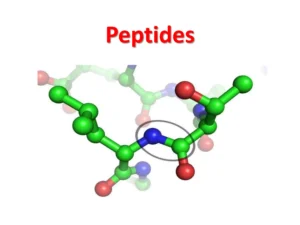
So, let’s talk about peptide bonds.
They’re really the backbone of every peptide—you can’t have one without the other. This bond is what strings amino acids together, turning them into chains that actually do something. If the peptide bond holds up, the whole peptide works like it should, whether it’s made in nature or cooked up in a lab.
When it comes to getting quality peptides, people tend to trust companies like Peptide Sciences and Peptide Crafters. These guys are all about high-purity peptides for research. They put a lot of care into how they make their products, so whether you need a basic peptide or something more complex, you know you’re getting the real thing—pure, consistent, and ready for solid science.
Researchers need reliable tools, and that’s where peptide research chemicals and lab products step in. Scientists count on these materials to deliver the same results every time, which is huge for experiments in medicine, skin care, and even sports. Doesn’t matter if you’re working with tiny tripeptides or long, complicated chains—consistency opens the door to real breakthroughs.
Peptides aren’t just stuck in test tubes, either. Take the Rhode peptide lip tint. Here, peptides team up with beauty routines, helping skin stay hydrated and fresh on a molecular level. It’s science meeting self-care, right there in your makeup bag.
Synthetic peptides are a big deal, too. Researchers can design them for all sorts of goals, like building muscle or calming inflammation. But they only work if they’re stable. That’s why scientists study how to keep these peptides potent—think proper formulas and smart storage.
At the end of the day, core peptides are everywhere. They’re in supplements, experimental drugs, you name it. These little chains play a part in everything from how cells talk to each other to how our bodies heal. It all starts with that simple, powerful bond.

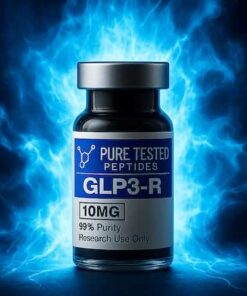
GLP3-R 10mg
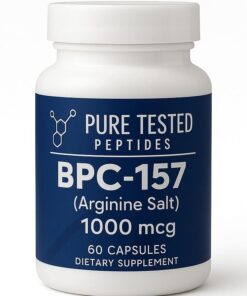
BPC 157 capsules 1000mcg
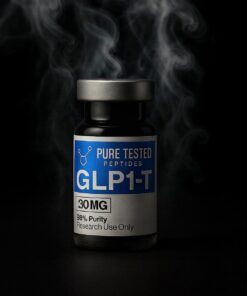
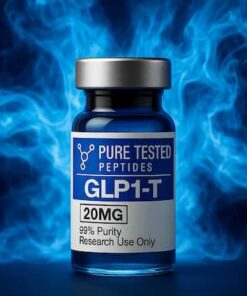
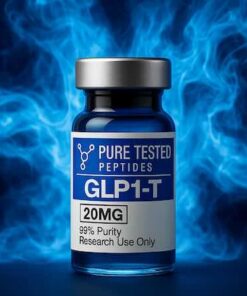
GLP1-T 30mg